


Conference Program
This year, we aim to provide an excellent and valuable conference experience for all participants. The program will consist of student presentations and poster sessions, insightful talks by our keynote speakers, and exclusive tours at the renowned research facilities in Lund, such as ESS, MAX IV and nCHREM.
The conference program will continuously be updated in the official INASCON 2026 calendar. In the calendar you will find deadlines, the full conference program including talks, research visits, the poster session, and other fun events!
Oral talks by students are scheduled for 15 min + 5 min for questions.
Keynote speakers
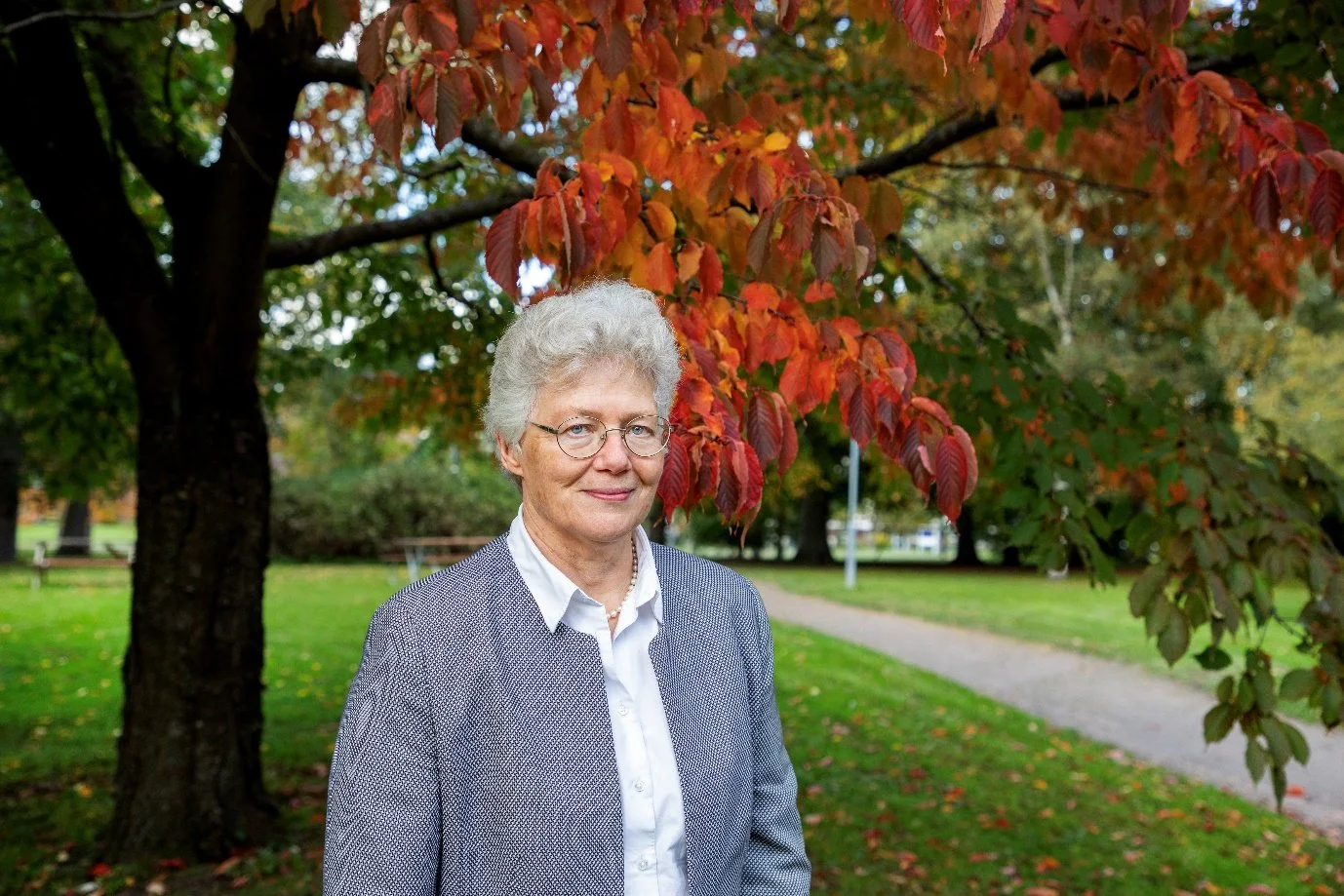
Anne L’Huillier
Nobel Laureate 2023 and Professor at LU
Anne L'Huillier is a Swedish/French researcher in attosecond science. During the first part of her career, she worked at the Commissariat à l'Energie Atomique, in Saclay, France, first as a PhD student until 1986, then as a permanent researcher until 1995. She moved to Lund University and became professor in 1997. She was awarded the Nobel Prize in Physics 2023 together with Pierre Agostini and Ferenc Krausz for “for experimental methods that generate attosecond pulses of light for the study of electron dynamics in matter”.
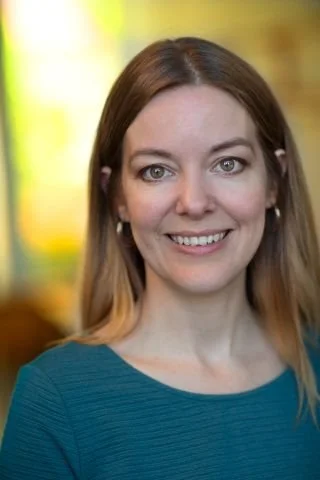
Kimberly A. Dick
Professor in materials chemistry at LU
Kimberly A. Dick is a Canadian-born Swedish researcher in materials chemistry. Her research focuses on understanding fundamental growth mechanisms of inorganic nanomaterials, such as III-V semiconductor nanowires and transition metal pnictides, with the help of environmental transmission electron microscopy (ETEM). She received her Ph.D. in Physics from Lund University in 2007 and became a full professor in 2015. In 2025, she became a member of the Royal Swedish Academy of Sciences.
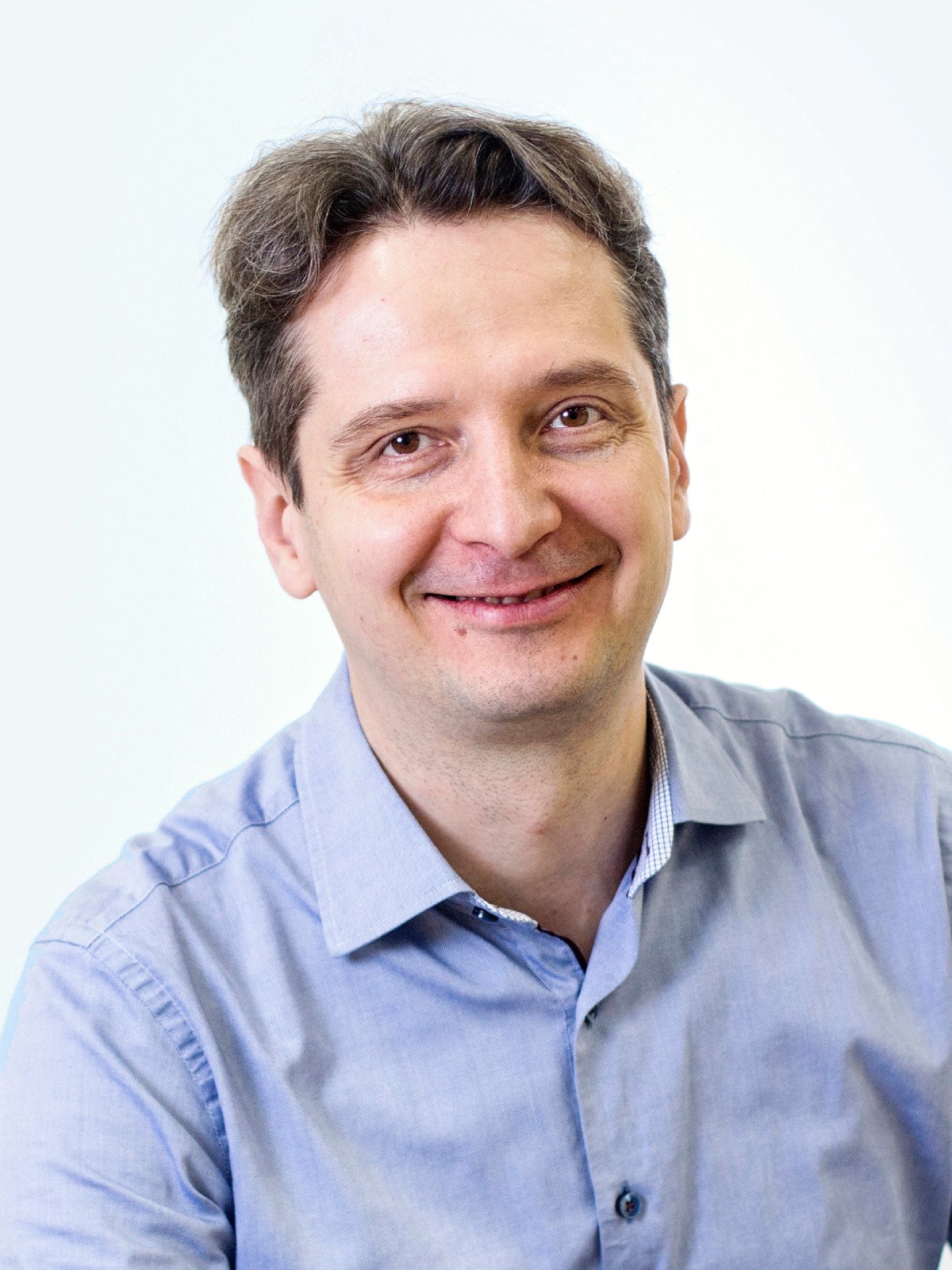
Dmitry Suyatin
CSO and co-founder of AlixLabs
Dmitry Suyatin is the CSO and one of the co-founders of AlixLabs. He is in charge of AlixLabs’ cutting-edge technology.
AlixLabs, spun off from Lund University, was founded in 2019. It is known for its Atomic Layer Etch Pitch Splitting (APS™) technology. APS is a leading-edge process designed to enhance semiconductor manufacturing. The core of APS is the ability to split nanoscale features on semiconductor wafers into even smaller structures using an extreme form of Atomic Layer Etching (ALE) in a simple, economical, and gentle way. APS is highly beneficial in semiconductor fabrication, offering a method to continue scaling down chip components while reducing costs and increasing the throughput.
Associate senior lecturer (docent) in Physics at LU
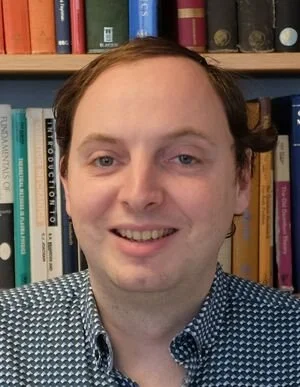
Erik van Loon
Erik van Loon is a Dutch researcher in the theory of quantum materials. He specializes in the study of strongly correlated electron systems and their collective excitations. His research is supported by the Wallenberg Initiative Materials Science for Sustainability, the Crafoord Foundation, the Krapperup foundation, the Royal Physiographic Society of Lund, the Swedish Research Council and eSSENCE. He completed his PhD with Professor Mikhail Katsnelson at Radboud University in 2018. He then worked with Prof. Tim Wehling at the University of Bremen until 2021. He has been affiliated with Lund University since 2021 and currently works as a lecturer (docent).
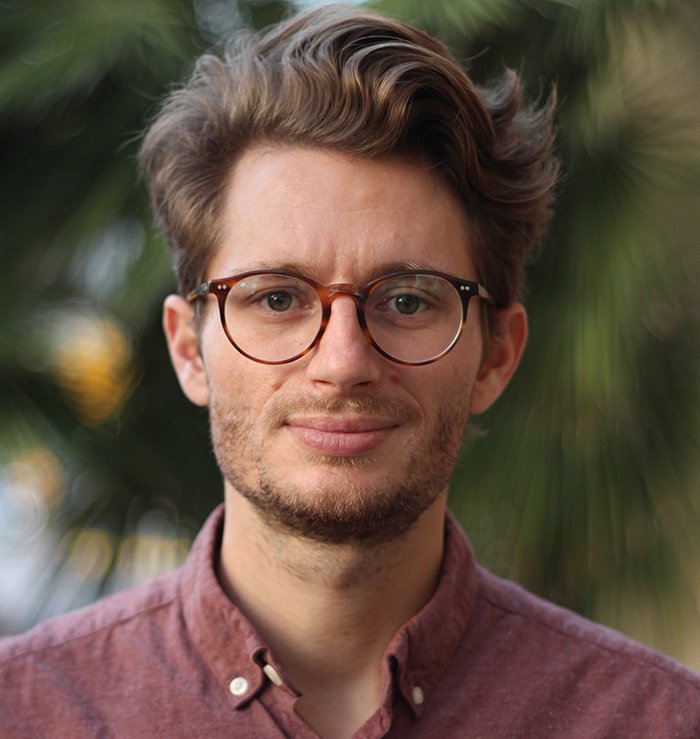
Matias Kagias
Assistant Professor at LU
Matias Kagias is a Greek/Norwegian researcher and an Assistant Professor at Lund University since 2023. His research combines nanoengineering, and synchrotron X-ray characterization techniques to develop and study metamaterial structures with tailored properties that will contribute to sustainable technologies. He received his PhD from ETH Zurich and subsequently carried out postdoctoral research at the Paul Scherrer Institute (PSI) in Switzerland and the California Institute of Technology (Caltech) in USA. His research is currently funded by the Knut and Alice Wallenberg Foundation (KAW) through the WISE initiative.
Associate Professor in Medicine at LU
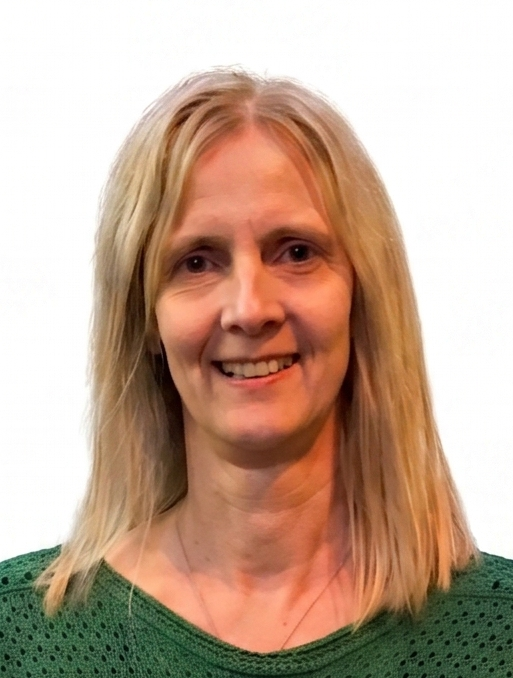
Maria Kempe
Maria Kempe is a Swedish researcher in materials science and nanomedicine. Her PhD from Lund University focused on molecularly imprinted polymers. Subsequently, she completed a postdoc at the University of Minnesota, where she developed a commercialized resin for solid-phase synthesis. In 2001, she was named one of Sweden’s "Future Research Leaders" by the Swedish Foundation for Strategic Research (SSF). She is currently an Associate Professor at the Faculty of Medicine at Lund University, where her research bridges materials science and medicine.
Visits to Research Facilities
European Spallation Source (ESS)
Neutron Radiation facility
European Spallation Source is a next-generation research facility that produces the world’s most powerful neutron beams to study materials in extraordinary detail. Scientists from around the world may use it to investigate everything from new batteries and medicines to climate-friendly materials. Located in Lund, it is one of Europe’s largest science infrastructures and a hub for international research collaboration.
MAX IV
Synchrotron Radiation facility
MAX IV Laboratory is one of the world’s most advanced synchrotron radiation facilities, producing extremely bright X-rays that scientists use to study materials at the atomic level. Located in Lund, it helps researchers from around the globe explore everything from new medicines to sustainable energy technologies. Its innovative design makes it a leading center for cutting-edge scientific discovery.
nCHREM
The national Center for High Resolution Electron Microscopy
nCHREM hosts instrumentation for powerful imaging and analysis techniques based on electron microscopy. The Hitachi HF3300S 300kV is an environmental transmission electron microscope (ETEM), enabling the study of material synthesis in situ with atomic resolution. CryoTEM can be performed with the JEOL 200kV where organic and biological samples can be studied. General imaging and analysis can be performed with the JEOL 300kV TEM and the JEOL 30kV SEM (Scanning EM).
Lund NanoLab
Nanofabrication facility
Lund NanoLab is a state-of-the-art nanofabrication facility where researchers design and build structures at the nanometer scale. Using advanced cleanroom technology, scientists can fabricate micro- and nanoscale devices for applications in electronics, photonics, materials science, and life sciences.